


International Delegations Protocol Training
- Course Level : Certification
- Duration : 8 Hours
- Certificate : KHDA, Hayford
- Training Mode: Online(Live) / Hybrid
- Pre-recorded Sessions : Yes


We are top Listed Training Institute on Coursetakers.ae
International Delegations Protocol Training
International Delegations Protocol Training In Dubai
International protocol refers to a set of acceptable international courtesy rules employed by delegates and diplomats during cross-international interactions. Cross-culture and cross-border relations are essential, especially in light of growing commerce and trade between nations.
The Hayford International Protocol and Diplomacy Certification Training Course will provide participants with complete knowledge and understanding of international protocol practices and procedures. Participants will be exposed to the various aspects of international, bilateral, and multilateral event protocols and the roles of cultural influence in protocol standards. Focus is also given to diplomacy and soft power, and international protocol competencies.
Our International Delegations Protocol Training is designed to equip professionals, government officials, and business leaders with the knowledge and skills needed to navigate the complexities of international relations. This training focuses on the customs, etiquette, and ceremonial practices that define high-level diplomatic and corporate interactions around the world.
Whether you’re preparing to host foreign dignitaries, participate in multinational conferences, or represent your organization abroad, this course ensures you act with confidence, respect, and professionalism.
What Is International Protocol and Why Does It Matter?
International protocol often referred to as diplomatic protocol encompasses the recognized customs, etiquette, and practices that guide interactions on the global stage. Developed over centuries of diplomatic and social evolution, these protocols establish clear standards of conduct between nations and their representatives.
In today’s interconnected world, international protocol plays a vital role in ensuring respectful and seamless communication during official meetings, ceremonies, and high-level engagements. By setting clear expectations for behavior, ceremonial procedures, and formal interactions, it helps prevent misunderstandings, fosters mutual respect, and strengthens diplomatic relationships across borders.
What are the types of diplomacy?
Diplomacy is the practice of managing dialogue and negotiations between nations, states, organizations, or individuals with the goal of influencing decisions, shaping behaviors, and fostering cooperation. At its core, diplomacy seeks to promote peace, encourage dialogue, and prevent conflict or war.
While traditionally focused on formal interactions between two sovereign governments, modern diplomacy has evolved to include multilateral cooperation, summit meetings, informal negotiations by non-governmental entities, and international conferences.
The main types of diplomacy include:
- Public Diplomacy
- Economic Diplomacy
- Science Diplomacy
- Cultural Diplomacy
- Energy Diplomacy
- Regional Diplomacy
- Health Diplomacy
- Education Diplomacy
- Cyber Diplomacy
Who Should Attend ?
This International Protocol and Diplomacy Certification Training Course is ideal for:
- Political Risk Analysts - Understand political trends, foreign relations, and government systems.
- Government Relations Managers - Stay on top of regulations, liaise with officials, and manage policies.
- Media, Communications & Event Professionals - Handle international events, reporting, and messaging.
- External Relations Managers - Design and execute global and external relations strategies.
- Country Managers -Oversee operations and services across international markets.
- Public Relations Experts - Represent organizations and manage their public image globally.
- Diplomats - Maintain relations, represent national interests, and report on global developments.
- Protocol Officers - Coordinate visits, ceremonies, and dignitary engagements.
- Corporate Affairs Managers - Manage government processes, policies, audits, and external communications.
- Anyone Interested in Global Protocol & Diplomacy - Build expertise in international etiquette and practices.
Course Curriculum
Topics covered in this course
Module 1: Overview and Introduction to International Protocol and Diplomacy
Key topics include:
Definition of terms
Types of international diplomacy
The variations between institutions and countries
Rules of negotiations across cultures
The impacts of religious and cultural factors on protocol practices
Multicultural dining protocols (Asian, Middle Eastern, English, and French)
Module 2: Non-Verbal Communication Protocol
Key topics include:
Eye contact
Body gestures
Mastering the art of handshakes
Rules of introduction
Module 3: Bilateral and Multilateral Event Protocol
Key topics include:
Visiting a foreign country
Organizing signing ceremonies
Meet and greet
Hosting a foreign delegation
Organizing negotiations and meetings
Module 4: Aspects of International Protocol
Key topics include:
Attire
Gifting
Names and Titles
Punctuality
Greeting and Introduction
Meals and Dining
Planning and Organisation
Verbal and Non-Verbal Communication
Module 5: Diplomacy and Soft Power
Key topics include:
Traditional and contemporary best practices
Techniques for arranging international VIP meetings and events, including dinners and meals
Diplomatic conversation skills
Cross-cultural communications
Module 6: Universal Flag Protocol
Key topics include:
Hanging
On a mast or pole
Multiple flags
On a helicopter
Other places
Module 7: Public Speaking and Speech Giving
Key topics include:
Practical diplomacy and even leadership
Public speaking as a vital international protocol
Communication and networking skills
Mastering effective communication
Taking notes
Public speaking and program presentation skills
Module 8: Formulae and Rules of Introduction
Key topics include:
Order of precedence
Business card handling
Salutations and signs of address
Remembering names
Business talk and time management
Module 9: International Protocol Competencies
Key topics include:
Personal competencies
Strategic competencies
Business competencies
Module 10: Cultural Influence in International Protocol
Key topics include:
Attire
Forms of address and introduction
Selecting conversation topics
The local concept of social time
Module 11: Emerging Aspects of International Protocol
Key topics include:
Virtual reality
Artificial Intelligence
Online Support
24/7 Hrs
Whatsapp Support
Course Duration
8 Hours
Mode
Face to Face & Online (Live)
Location
Business Bay
Benefits With Hayford Institute
- Flexible Learning
- Flexible EMI Payment Structure
- Hayford LMS Platform
- One-on-One Whatsapp Support
- Full access to Pre-recorded Sessions
- Hayford Career Opportunities
Course Objective
- Understand core principles of international protocols and diplomacy
- Build confidence to manage complex international interactions
- Design and implement effective government relations strategies
- Integrate protocol practices with operations, legal, finance, and PR
- Plan and host official events, meetings, and dignitary visits
- Use correct titles, etiquette, and seating arrangements at formal occasions
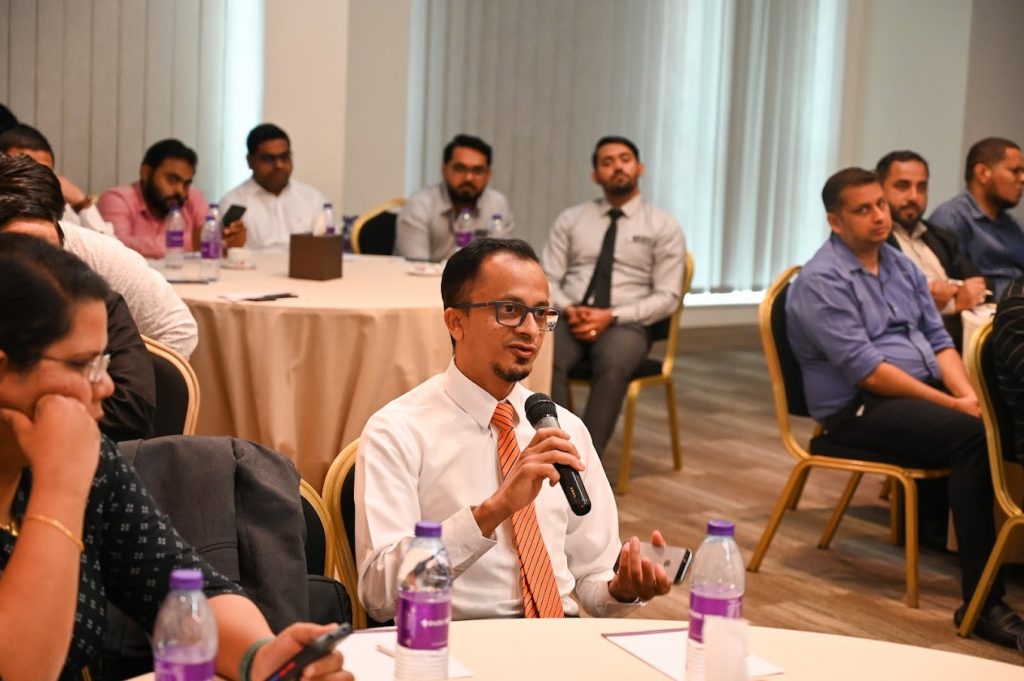
Student Speaks !
Why Hayford Training Institute
Qualified Instructor
Training Support
Access to Recorded Sessions
Flexible Schedule
Best Study Material
Do you want to learn more about Hayford Training Institute
- Learn more about courses
- Understand about our methodology
- Let’s talk about Corporate trainings
- Anything else that you want to know, we are here for you!
Frequently asked
questions
We offer three modes of training:
Online: Live interactive sessions with instructors.
Offline: Client-based or one-to-one sessions at our institute.
Pre-recorded: On-demand training videos for flexible learning.
Payments can be made via:
Bank transfer,
Online payment through a provided link (service fees may apply),
Installment plans are also available.
Yes, all training programs include soft copy study materials.
Hayford’s certificates are provided free of charge. However, for KHDA and other professional certifications, additional fees may apply.
Depending on the course, there may be a post-assessment evaluation to complete the program.
We provide mock tests and past paper revisions to help students prepare for the final exam.